01
Rendezvous
Establish the mission profile, approach corridor and relative position before a servicing vehicle closes in.
Navigation & approach planningTHE NEXT CHAPTER OF ORBITAL OPERATIONS
In-space refueling can help valuable spacecraft keep working longer.
We’re exploring reusable in-space refueling infrastructure that can extend spacecraft working life and give operators more options after launch.
Concept stage. Built around real mission questions.
Open to operators, engineers and strategic partners.
01 / THE VISION
What if a spacecraft’s next chapter didn’t require starting again on the ground?
Orbital Refilling is a concept for a reusable servicing network in space. We’re exploring how refueling, mission planning and compatible interfaces can extend spacecraft operations and support more flexible missions.
Inside the concept ↗02 / THE ARCHITECTURE
A reference approach to orbital servicing, from a carefully planned encounter to a new mission horizon.


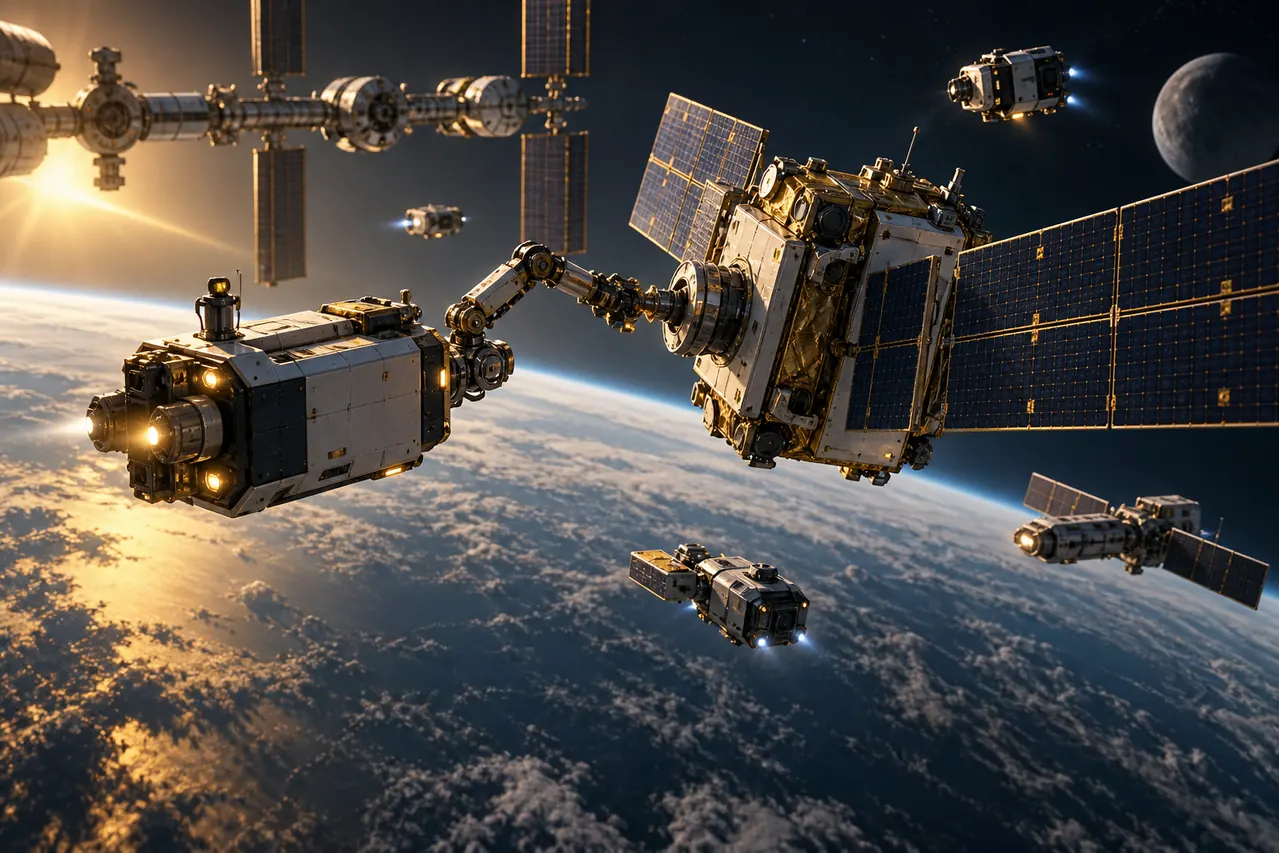
Establish the mission profile, approach corridor and relative position before a servicing vehicle closes in.
Navigation & approach planningExplore compatible interfaces, controlled capture and the checks required before propellant transfer.
Interfaces & connection integrityStudy fluid handling, transfer monitoring and isolation as part of a mission-specific refueling system.
Propellant management & monitoringVerify separation, review the servicing outcome and plan the spacecraft’s next operational phase.
Mission continuation & reuseReference architecture under exploration. Interfaces and feasibility depend on the spacecraft and mission.
03 / WHERE IT COULD MATTER
Different orbits. Different constraints. A shared question: how can useful spacecraft keep doing useful work?

Explore servicing strategies for high-value platforms where continuity, maneuverability and mission flexibility matter.
LOW EARTH ORBIT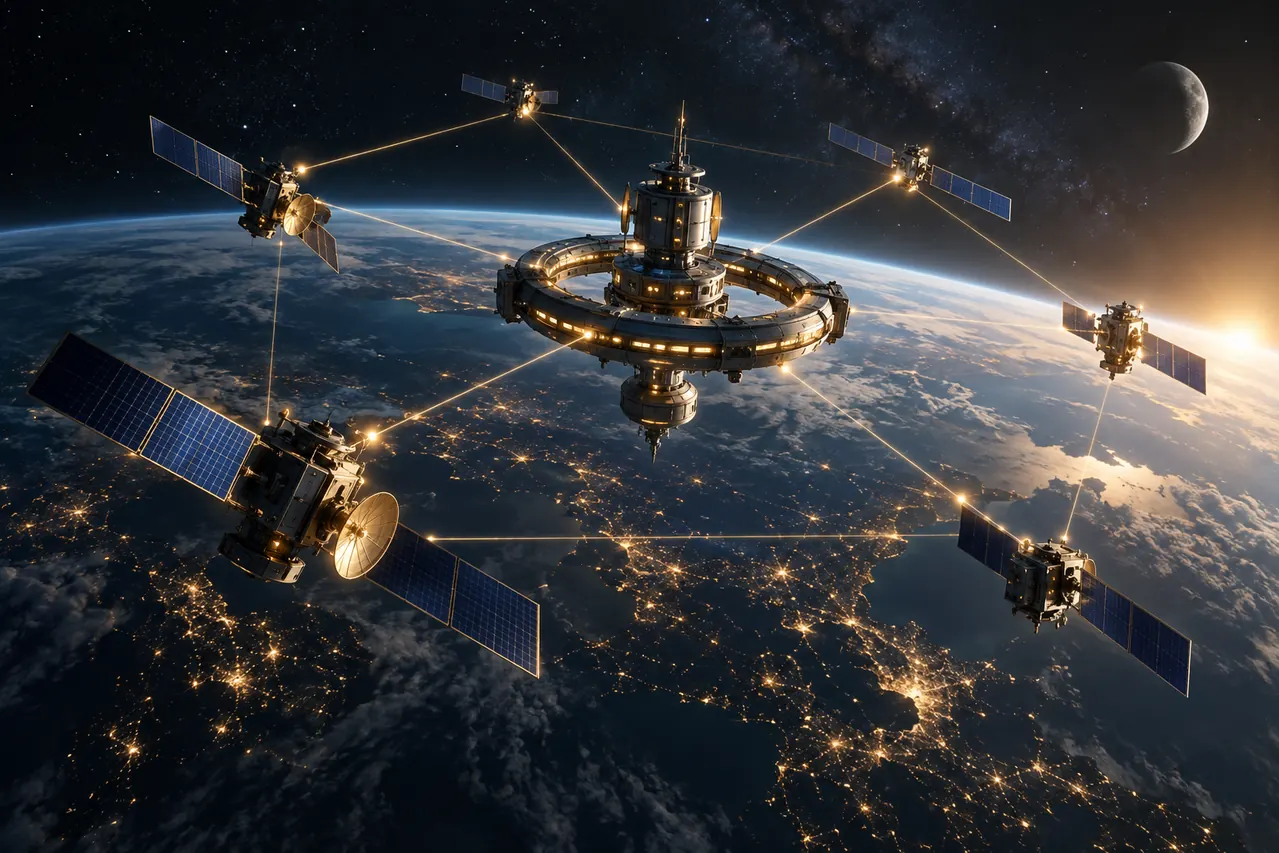
Evaluate refueling as part of a longer-term operating strategy for compatible communications spacecraft.
GEOSTATIONARY ORBIT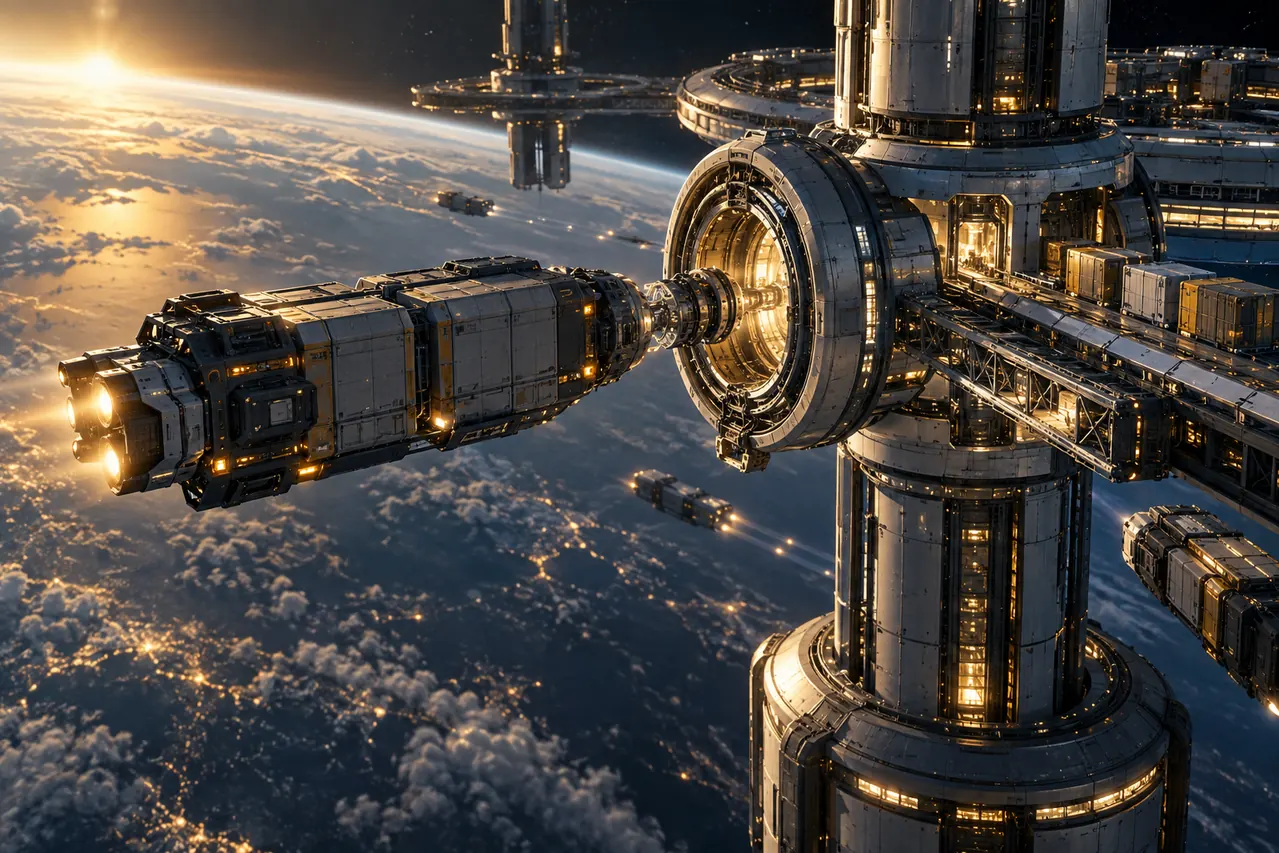
Consider reusable logistics and replenishment concepts for transfer vehicles and future cislunar operations.
CISLUNAR SPACE04 / OUR STARTING PRINCIPLES
Technical ambition needs a clear view of the constraints.
Start with the orbit, platform, propellant and operator’s objectives. Compatibility is a question to resolve, not assume.
Make approach, capture, transfer and separation explicit parts of the architecture and its future verification plan.
Explore servicing vehicles and operational models that could support repeated missions and responsible orbital activity.
A WebGeneric concept exploring reusable in-space refueling and servicing infrastructure for spacecraft with useful life remaining.
No. It is an open concept at the exploration stage, intended to create better conversations between operators, engineers and strategic partners.
Orbit, platform, propulsion, timing, mission constraints and the evidence needed to understand whether a servicing pathway is worth exploring.
Yes. The concept is deliberately open to people who can sharpen the interfaces, economics, safety case and operating reality.
LET’S EXPLORE WHAT COMES NEXT
Bring the mission profile, the hard questions, or the idea you want to explore. Let’s find a useful starting point.
Enquiries are handled by the WebGeneric team.MISSION CONVERSATION
Tell us what you are trying to keep in orbit. We will route it to the right WebGeneric team.